


The Hunter and the Frame: A Guide to the World’s Best Photography Locations
In photography, location is more than just a backdrop; it is a collaborator. To capture a photo that drops jaws, you must stop looking for only "pretty places" and start looking for light, geometry, and narrative. What story are you wanting to tell. Even if you are just on vacation and an opportunity presents itself, you should always think through why are you taking this picture?
You can still enjoy or have fun with photography. You can still analyze and over think your need for a photo. Photography is about sharing the beauty in your life with others, whether you are selling your pictures or not. Whether you are scouting for a school project, a research study, or a vibrant landscape for the fall, your success depends on your ability to read the environment before you ever press the shutter button. Your success to portraying the beauty you see is rooted in the location and scene you are capturing.
I have created a list ideas and places to capture those ideas below. If you join as a member, you also get tips I have learned over the years on how to get to these locations. Some places you will find, when searching for the best places to shoot, that it is walk up and setup, however some will require more. You cannot just shoot anywhere! Here is my breakdown of the best "studios" the world has to offer and how to master them.
1. The Architectural Beauty: Chicago, IL & Spain Architecture requires a disciplined eye for lines and symmetry. They offer different styles for you to choose what you like or what story you are trying to tell. Depending on what style, time period, or maybe a specific persons work, researching those factors and traveling will build your eye for those perfect shots. The best thing about structures and architecture, is that it allows for you to take your time and setup the camera, the tripod, and wait for the proper lighting. The problems are avoiding people, traffic, and getting permission in some cases to shoot.
A Great Shot: The "L" Train Curves in Chicago. The intersection of Wells and Lake Streets offers a gritty, geometric layers of steel and shadow. Alternative: The City of Arts and Sciences, Valencia, Spain allows for something completely different, Calatrava’s futuristic white structures offer a masterclass in minimalism and light reflection. Gothic castles and buildings are all over Europe. The main theme is that big cities offer many opportunities to find great architecture and many types of architecture are presented based on the cultural region you are in.
The Execution: Use a tilt-shift lens if possible to keep your vertical lines straight. Many cameras come with leveling guides in the viewfinder that work with any lens as well. If not, shoot wider than you think you need to; you’ll want the extra room to correct perspective in post-processing without cutting off the top of a spire. You can include foreground objects to show depth but remember that the point of the picture is the architecture. Try to avoid covering up your main object. A great idea is to include foreground or background items that accentuate the shapes you are capturing.
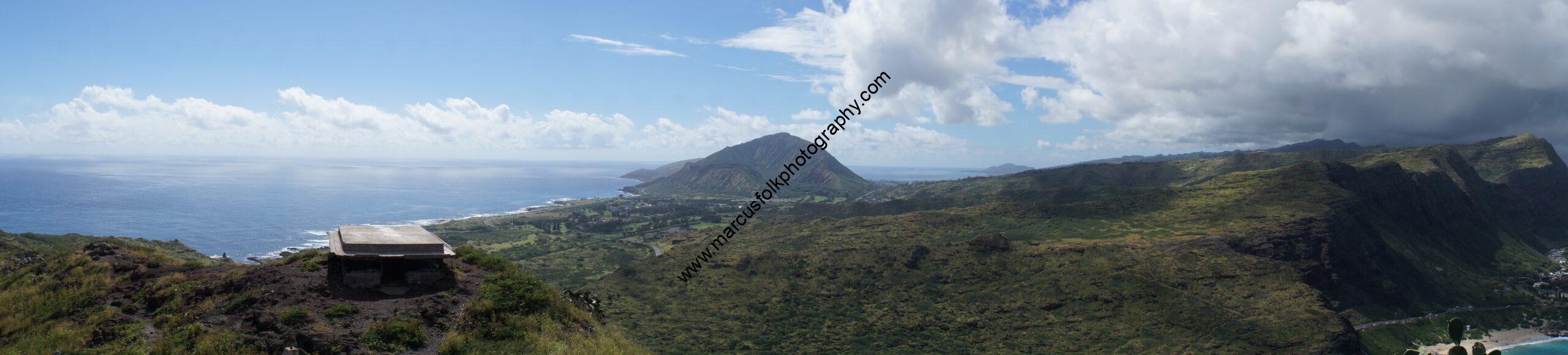
2. The Landscape Narrative: The U.S. Northeast & Iceland offer landscapes that are about the passage of time. Hawaii offers tropical beauty and overviews of the Earth. Remember that you are looking for something that reflects your story. Do you want warm sunrises, inviting beaches, or cold tundras. Do you want to provide an example of your trip, or dazzle the audience with a natural wonder. These are my favorite photos, so don't worry about taking as many photos as you need.
A Great Shot: The Kancamagus Highway, New Hampshire. During peak fall foliage, the Rocky Gorge offers a perfect contrast between the cold, rushing water and the warm skittle-colored canopy. Alternative: The South Coast of Iceland. The black sand beaches at Reynisfjara provide a stark, moody palette that feels almost otherworldly.
The Execution: For fall colors, use a circular polarizer (CPL). It’s the single most important tool in your bag for this trip. It cuts the glare off wet leaves and deepens the blues and oranges, giving your prints that "pop" that looks like fine art rather than a snapshot. Most camera lens will have lens filter sets that fit the size of your lens. Just make sure you have those filters for the right size and lenses you prefer to use for landscape shots (Ultra 14mm-24mm or Wide lens 24mm-35mm). Wide lenses gives you the ability to capture the entire scene which you can crop down as necessary.
3. The Street & Human Connection: Madrid & NYC Street photography is about the "decisive moment." Remember it is always important to get permission when taking someone's picture, especially for commercial use and if you don't know them. Street shots can capture a story of movement, happening, and grit. If it is cars passing, ensure you blur any identifying marks or license plates. However, don't forget that the lonely road can be a great story. The open road has been a place for some of my favorite weather shots as well.
A Great Shot: Grand Central Terminal, New York City. Capture the light beams hitting the dust at midday. It’s a classic for a reason. It’s a study in human motion within a cathedral of transit. Alternative: Plaza Mayor, Madrid. The interplay of shadows under the porticos at golden hour creates high-contrast silhouettes that are perfect for dramatic black-and-white prints.
The Execution: Set your camera to Aperture Priority and use a fast prime lens (35mm or 50mm). You don't want to be fiddling with settings when a moment happens; you want to be part of the flow of the city. Set your shutter speed to quicker for moving shots that you want to come out clear or set it longer for those cool car light streaks. Remember that shutter speed and aperture will effect lighting and illustrate different moods.
4. Actual Studios: There are a great amount of studio spaces you can find out there to shoot portrait or objects. Websites like FD Studio, Peerspace, or even places like AirBnB can provide you great and interesting backgrounds to shoot in. You don't always need a cycle-rama or infinity wall, and you don't need to spend thousands on building lights, paper rollers, or scene boxes to take interesting photos.
A Great Shot: Monochromatic stories to talk about opposites. I once found a modern style home on Peerspace that had art in white and black shapes in the kitchen. The model had a white and black outfit she wanted to shoot but didn't know what background to use. When I looked around and found that location, we rented it immediately and took color and black/white portraits that turned out interesting, fun, and told the black and white story. Alternative: FD studio or other photo studios offer infinity or cycle-rama walls that allow you to shoot models with an empty white background. Sometimes getting an actual studio can help you find those more difficult stories you want to show.
The Execution: It is imperative you have a tripod when shooting in a studio. You should use the lighting, or bring your own, to allow for low ISO settings that allow for you to work with your other settings to build a perfect shot. Tripods allow you to lengthen the shutter speed so you do not have to worry about shake blur. You should always factor in cost per time when using a studio or rented location, but remember that in most cases, studios allow you to take your time to setup a shot properly. They allow more control over the environment, so don't be afraid to use everything in the room.
There is always more examples of the greatest shots because you are limited to where you can travel, your imagination, and your understanding of camera settings. Don't be afraid to take more pictures. Don't fear to just shoot your scene, to tell your story. Spontaneous shooting can be fun and interesting, but even a little planning and considerations can make a photo a blurred Bigfoot shot versus a beautiful capture of what you saw to show others. Become a member of this site to get tips for setting up the best shots and how to find the best places to shoot.
This article is available exclusively to active members. Please log in or join today to continue reading.
